Thinking about adding a small cottage, studio, or basement apartment to your Bainbridge Island home? You are not alone. Across Kitsap County and the Seattle metro, accessory dwelling units are helping families create flexible space, support aging relatives, and generate rental income. This quick guide breaks down what ADUs are, what to check locally, how much they might cost, and the steps to get from idea to move‑in. Let’s dive in.
ADU basics on Bainbridge Island
An accessory dwelling unit is a second, smaller home on the same lot as your primary residence. You can create an ADU by converting existing space or building new.
Common forms include:
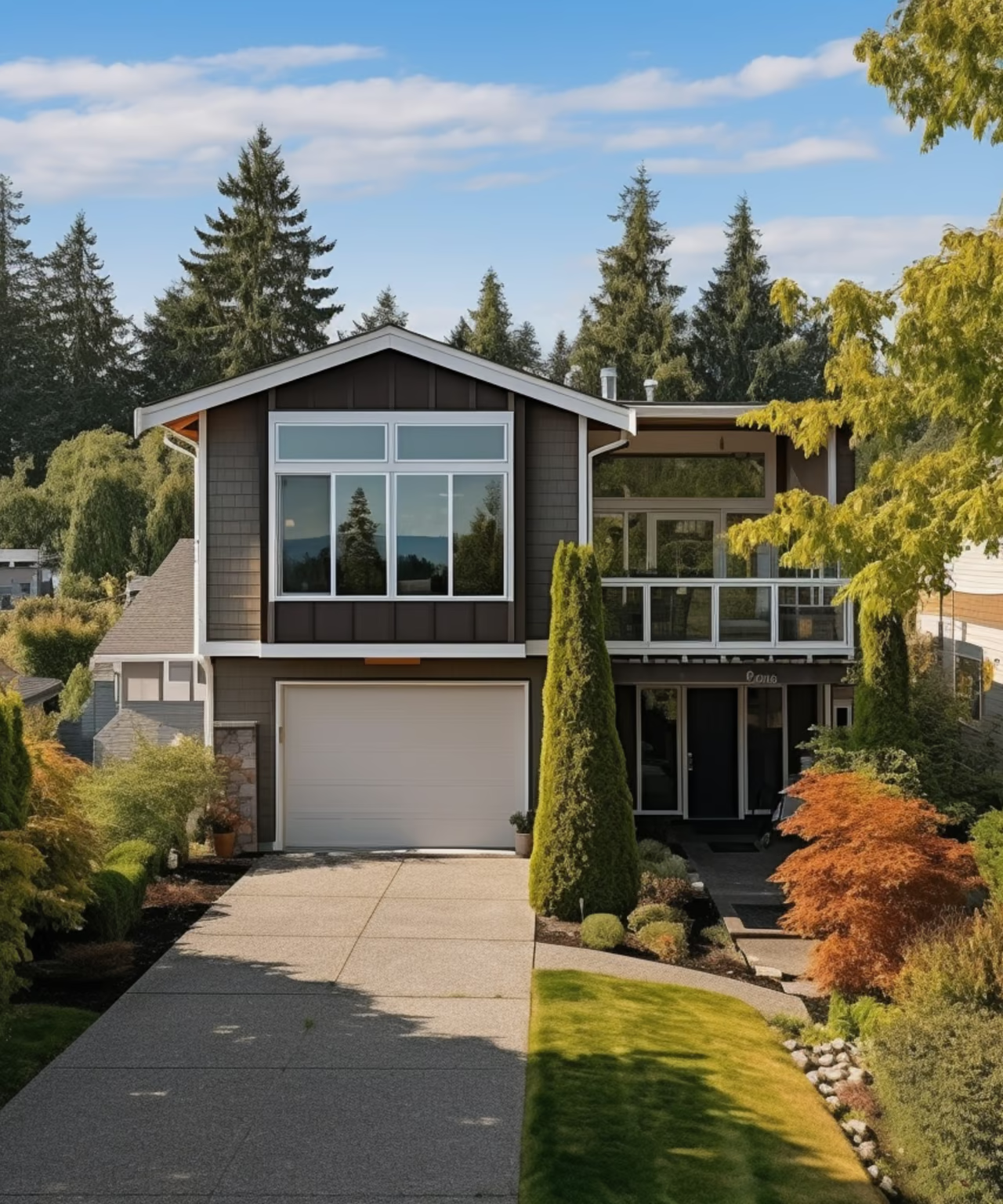
- Attached ADU: shares a wall with the main home or sits above a garage.
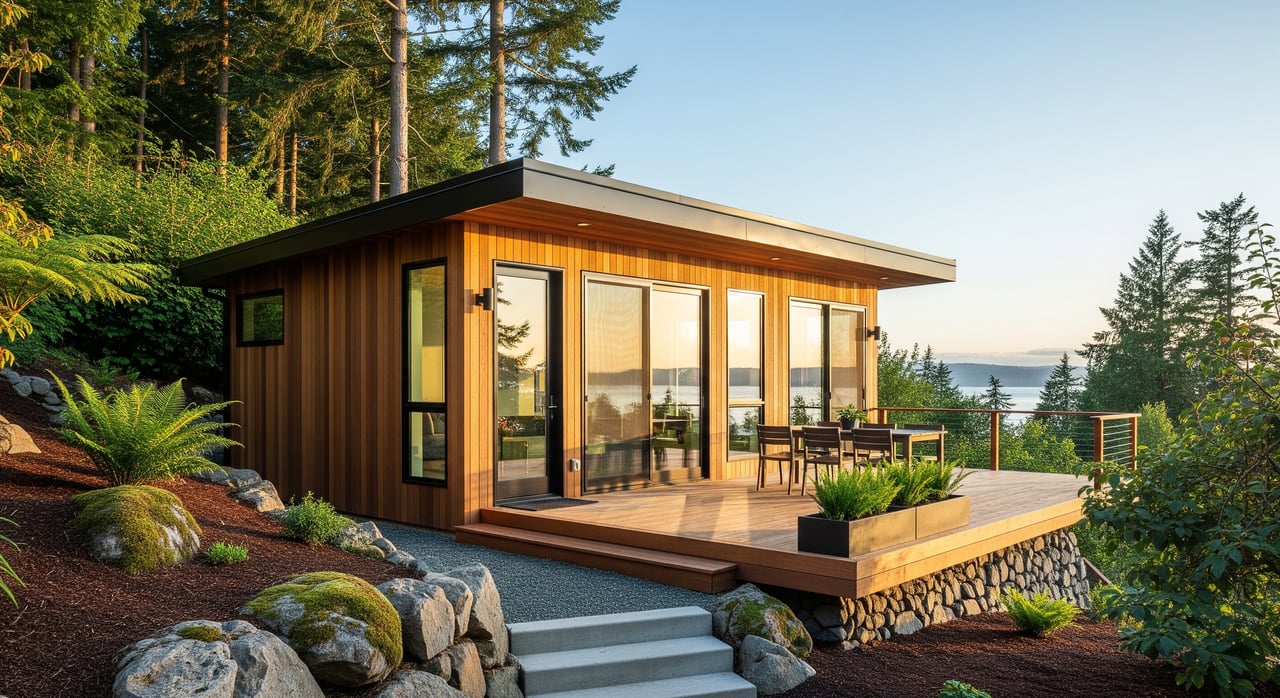
- Detached ADU: a free‑standing backyard cottage.
- Interior conversion: a basement, attic, or internal suite with a separate entrance.
On Bainbridge Island, ADUs are popular for multigenerational living, rental income, and long‑term flexibility. They can broaden your buyer pool when you sell, but only if the unit is permitted and code compliant.
Why ADUs make sense here
- Housing flexibility: Create private space for relatives, returning college grads, or a caregiver.
- Income potential: Long‑term rentals can offset your mortgage. Always confirm local rental rules before advertising.
- Lifestyle fit: A small cottage can double as a home office or guest space today and evolve into a rental later.
Rules to confirm before you design
Bainbridge Island’s municipal code sets the ground rules for where and how you can build an ADU. Start by contacting the City of Bainbridge Island Planning and Community Development. If you are on a septic system, contact the Kitsap Public Health District early. Local requirements change, so confirm these items before investing in plans:
Zoning and lot standards
- Verify that ADUs are allowed in your zoning district.
- Ask about minimum lot size and maximum lot coverage, which can affect feasibility.
- Confirm size limits for the ADU, often expressed as a maximum square footage or percentage of the main home.
Setbacks and height
- Detached cottages must meet setback rules from property lines.
- Confirm height caps for detached units and any design or neighborhood overlay standards.
Parking
- Some jurisdictions require on‑site parking for an ADU, while others offer exemptions in certain areas. Ask planning staff about current requirements on Bainbridge Island.
Owner occupancy
- Some places require an owner to live on the property if there is an ADU, while others do not. Confirm the current policy with the city.
Utilities and connections
- Sewer vs. septic: If your home is on septic, Kitsap Public Health District must review capacity. An upgrade may be required.
- Ask your utility providers about electrical service upgrades, water meters, and sewer connection fees.
Building and safety codes
- Plan for egress windows, smoke and CO alarms, and compliant stairs and railings.
- Fire sprinklers are unusual for small ADUs but can be required depending on size and design. Verify during planning.
Permits you will need
- Expect building, mechanical, plumbing, and electrical permits.
- Additional land‑use or environmental review can apply in shoreline or critical areas. Bainbridge has steep slopes, wetlands, and streams; early review helps prevent delays.
Rental rules
- Long‑term rentals are commonly allowed where ADUs are permitted, but registration or licensing may apply.
- Short‑term rentals have separate rules. Review the city’s current short‑term rental policy before planning to host guests.
HOA and covenants
- Private HOA rules can be more restrictive than city code. Review your CC&Rs for any limits on ADUs, detached structures, or parking.
Site factors that shape feasibility on the island
Bainbridge’s natural setting is a gift, but it can add complexity for ADUs. Keep these in mind:
- Septic systems: Capacity, drainfield location, and setbacks often drive what is possible. Contact Kitsap Public Health District at the outset if you are not on public sewer.
- Critical areas and shoreline: Projects near shorelines, wetlands, streams, or steep slopes may need additional studies, setbacks, or mitigation.
- Access and parking: Narrow drives, slopes, and right‑of‑way issues can affect design, emergency access, and cost.
- Utilities and service capacity: Plan for trenching, panel upgrades, or new meters. Utility coordination early on saves time later.
- Historic or design overlays: Some neighborhoods or districts require design review that can influence the look and placement of a detached cottage.
Timeline and cost: what to expect
Every property is unique, but the ranges below reflect common experiences in Kitsap County and the Puget Sound region. Obtain local contractor bids for an accurate budget.
Permitting timeline
- Interior conversions: about 4 to 8 weeks for plan review and permits once drawings are complete.
- Detached or new construction: about 3 to 6 months from submittal to approval. Add time if septic upgrades, critical areas, or variances are involved.
Construction costs
- Interior conversion: roughly 50,000 to 150,000 dollars depending on scope and systems.
- Attached ADU or small detached cottage: roughly 150,000 to 350,000 dollars.
- High‑end detached ADU or complex sites: 300,000 to 500,000 dollars or more.
Fees to plan for
- Building and plan review fees.
- Utility connection or system development charges.
- Possible septic review or upgrade costs.
Costs in our region have been elevated in recent years due to materials, labor, and site work. A detailed, line‑item budget and contingency fund are your best tools for staying on track.
Financing your ADU
- Home equity line of credit or home equity loan: Leverage your current equity for a flexible or fixed‑rate option.
- Construction or renovation loan: Funds draws during construction and converts or refinances after completion.
- Cash‑out refinance: Replaces your current mortgage with a larger loan that provides cash for the project.
- FHA and Fannie Mae programs: Some programs allow ADU rental income to help you qualify. Details vary by lender.
- Private or builder financing: Can bridge gaps for unique timelines.
Work with local lenders who understand ADUs and Kitsap County property types. Ask how future rental income may be treated and what documentation you will need at appraisal.
Design and sustainability tips for island homes
- Fit the neighborhood: Choose materials and massing that feel at home on the island, like wood or fiber‑cement siding and simple pitched roofs.
- Plan for flexibility: Open layouts, built‑ins, and universal design features make the space comfortable for aging in place or long‑term renters.
- Boost efficiency: Heat‑pump HVAC, quality windows, and robust insulation cut utility bills and improve comfort.
- Manage water well: Good drainage, permeable surfaces, and native landscaping help in rainy months and may be required near sensitive areas.
- Be neighbor‑friendly: Add privacy screening, plan logical parking, and share your plans early to reduce concerns about noise or views.
Step‑by‑step checklist for Bainbridge homeowners
Follow these steps to move from idea to keys in hand:
- Preliminary feasibility
- Confirm zoning and ADU allowance with City of Bainbridge Island Planning and Community Development.
- Determine sewer or septic service. If septic, contact Kitsap Public Health District about capacity and setbacks.
- Review HOA or neighborhood covenants and any design review requirements.
- Pre‑application and planning
- Talk with city planning staff for pre‑application guidance and a submittal checklist.
- Hire an architect or designer with local ADU experience. Ask for references from Bainbridge or broader Kitsap County.
- Order a site survey. Schedule a septic inspection if applicable. Confirm utility capacity and costs with providers.
- Permitting and financing
- Prepare construction drawings, energy calculations, and required forms.
- Apply for building, plumbing, mechanical, and electrical permits. Secure any land‑use or environmental approvals.
- Finalize financing and line up your contractor’s schedule for after permit issuance.
- Construction to occupancy
- Coordinate inspections at each stage: foundation, framing, mechanical, plumbing, and final.
- Update insurance, utility accounts, and any rental registrations if you plan to lease the unit.
- Keep all permit records and as‑built drawings for future resale.
Renting, taxes, insurance, and resale
- Long‑term rentals: Often a good fit for ADUs. Confirm any city registration or inspection requirements before you advertise.
- Short‑term rentals: Bainbridge Island regulates STRs separately. Check current rules and permits before booking guests.
- Taxes: Rental income is taxable at the federal level. Washington has no personal income tax, but local business licenses or taxes can apply. Property assessments may change after you add an ADU. Consult a tax professional for your situation.
- Insurance: Notify your insurer when you add an ADU. You may need a landlord policy or a rider, and STR use usually requires specific coverage.
- Resale: A permitted, code‑compliant ADU can increase value and widen your buyer pool. Unpermitted units can create financing and insurance issues for buyers and slow down a sale.
Common pitfalls to avoid
- Skipping early checks with the city or Kitsap Public Health District when on septic.
- Designing a unit that exceeds size limits, setbacks, or height caps.
- Underestimating site work and utility costs on sloped or wooded lots.
- Starting construction before permits are issued.
- Forgetting long‑term maintenance, access, and parking plans.
Your next step
If an ADU could make your home work harder, start with a feasibility conversation and a realistic budget. Then assemble your team and meet with city staff to shape a design that fits your property, timeline, and goals. If you are buying on Bainbridge Island and want ADU potential, focus your search on properties with favorable zoning, utility access, and site conditions.
When you are ready to explore options, connect with a local advisor who knows Kitsap neighborhoods, permitting nuances, and buyer expectations. If you want a warm, step‑by‑step approach to planning or selling a home with an ADU, reach out to Ashley Grimes. Together, we can map a clear path that fits your family, timeline, and budget.
FAQs
Can you build an ADU on Bainbridge Island?
- Possibly, depending on your zoning, lot coverage, setbacks, utilities, and any critical areas; confirm details with the City of Bainbridge Island Planning and Community Development.
Do you need permits for an ADU on Bainbridge Island?
- Yes, you will need building, mechanical, plumbing, and electrical permits, and possibly land‑use or environmental review in shoreline or critical areas.
How long does ADU permitting and construction take on Bainbridge?
- Plan on 4 to 8 weeks for interior conversions and 3 to 6 months for detached units to obtain permits, with construction commonly taking 3 to 9 months.
How much does a Bainbridge Island ADU cost?
- Interior conversions often run about 50,000 to 150,000 dollars, while attached or small detached cottages often range from 150,000 to 350,000 dollars, with complex projects higher.
Can you use a Bainbridge ADU for short‑term rentals?
- It depends on current city short‑term rental rules and any required registration or permits; check the latest policy before marketing your ADU for STR use.
Do you have to live on the property if you add an ADU?
- Some places require owner occupancy while others do not; verify Bainbridge Island’s current requirement with planning staff.
How do septic systems affect ADUs on Bainbridge Island?
- Septic capacity and drainfield placement can limit ADU feasibility or require upgrades; contact Kitsap Public Health District early in your planning.