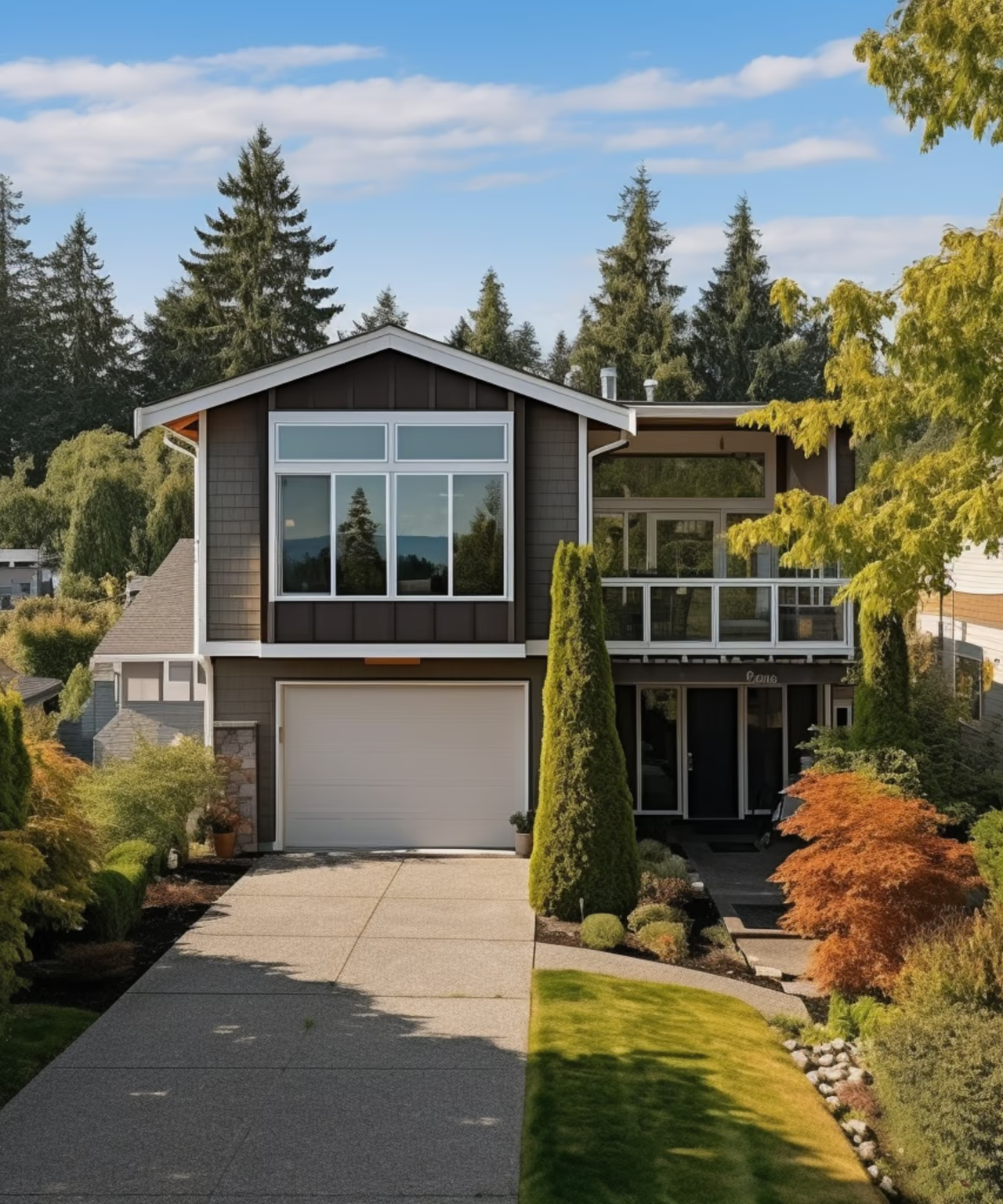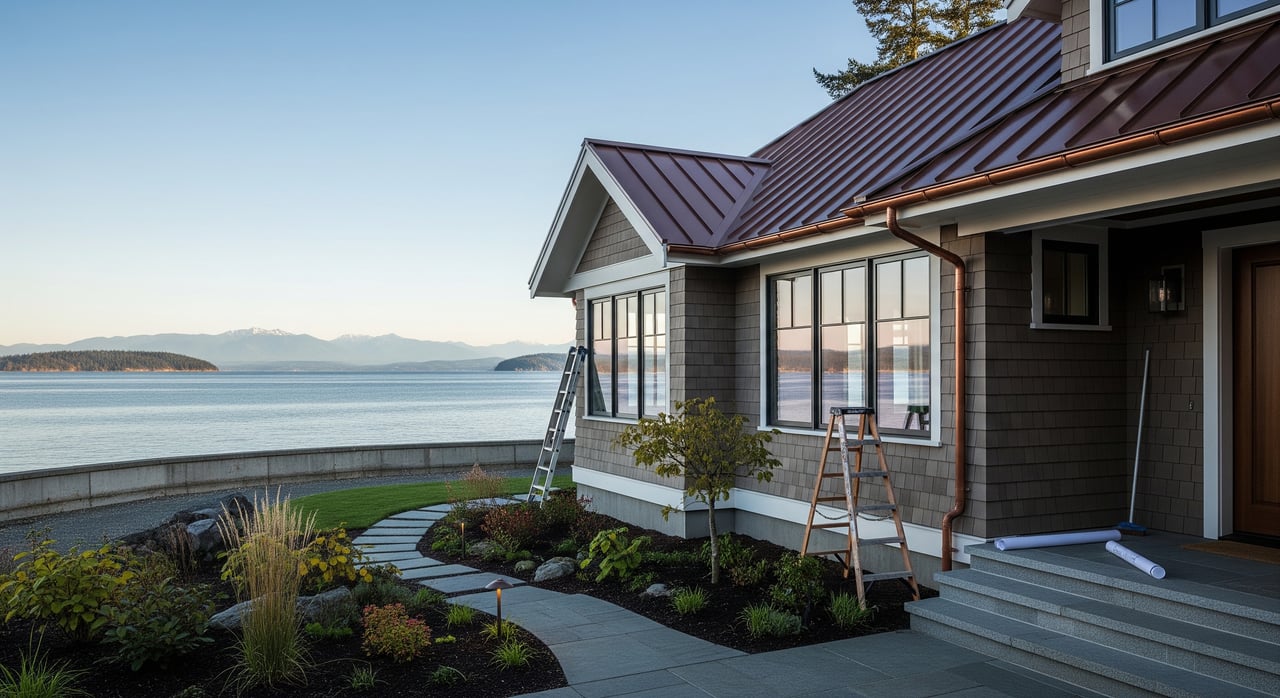
Buying in Bremerton and wondering what a home inspection really covers? You are not alone. The inspection is your best chance to learn how a home actually performs before you commit. In this guide, you will see the timeline, what inspectors look for, which add-ons make sense in Kitsap County, typical costs, and how to negotiate after the report. You will also find quick tips for VA buyers. Let’s dive in.
Your inspection timeline
Once your offer is accepted, your inspection contingency clock starts. Many Washington buyers negotiate about 7 to 10 days, but your exact window is set in the purchase contract. Confirm your deadline on day one.
- Day 0 to 2: Schedule the inspection immediately. Popular inspectors can book out several days. Lock in add-ons like sewer scope or WDO early.
- Inspection day: A standard inspection usually takes 2 to 4 hours for a typical single-family home. Older or larger homes can take longer.
- Within 24 to 72 hours: You receive the written report. Review it with your agent and decide how to respond within your contingency window.
- Before your deadline: Submit a repair request, ask for a credit, accept the home as-is, or cancel if your contingency allows. The seller typically has a set time to respond according to your contract.
What inspectors check
A standard home inspection is visual and non-invasive. In Washington, licensed inspectors typically review:
- Structural components: foundation, framing, load-bearing elements, and visible signs of settlement.
- Exterior: siding, trim, windows and doors, grading and drainage, decks, stairs, and railings.
- Roof: coverings, flashing, gutters, and downspouts. Inspectors may go on the roof if it is safe.
- Attic and ventilation: insulation levels, ventilation, leaks, or visible mold.
- HVAC: basic operation, age and condition, visible ductwork.
- Plumbing: visible supply and drain lines, fixtures, water heater condition and venting.
- Electrical: service entry, panel type, visible wiring, outlets, and GFCI/AFCI protection where present.
- Interior: floors, walls, ceilings, doors, and built-in appliances.
- Safety items: smoke and CO detectors, stair and guard rail safety.
- Crawlspaces and basements: moisture, wood decay, insulation, and signs of past flooding.
- Site drainage and retaining walls: grading away from the foundation and obvious erosion.
Inspectors do not usually test for mold, asbestos, lead paint, or radon, and they do not perform sewer camera inspections, septic evaluations, or detailed contractor-level assessments unless you order these separately.
Bremerton and Kitsap specifics
Local conditions shape what you should look for. In the Bremerton area, the climate and housing stock raise a few common concerns:
- Moist maritime weather: Persistent wetness can lead to wood rot, mossy roofs, clogged gutters, and moisture intrusion. Inspectors pay close attention to flashing, roof valleys, attic ventilation, and drainage.
- Coastal exposure: Homes near Puget Sound can see faster corrosion of metal components. Waterfront properties with bulkheads, piers, or docks often benefit from specialty marine or structural inspections.
- Older homes and remodels: Many Bremerton homes date to the mid-20th century. Watch for knob-and-tube wiring, lead-based paint in pre-1978 homes, cast-iron or galvanized plumbing, oil heat tanks, and unpermitted additions.
- Drainage and groundwater: Low spots and grading toward the foundation can cause crawlspace moisture. Sump systems, vapor barriers, and drainage improvements are common needs.
- Flood and shoreline: Some properties are in FEMA flood zones or shoreline management areas. Flood insurance needs and shoreline permits can affect ownership costs.
- Trees and roots: Mature trees can impact sewer laterals and foundations. Sewer scopes are useful where roots are present.
- Permitting history: Unpermitted work appears most often in older housing. Plan to check City of Bremerton or Kitsap County records early.
Recommended add-ons in Kitsap County
Consider these tests alongside your general inspection, especially for older homes or properties with known risk factors:
- Sewer scope: A camera inspection of the sewer lateral helps catch root intrusion, offsets, or collapsed lines. This is a common add-on for homes with mature trees or older pipes.
- Radon test: Kitsap County is generally lower to moderate risk, but radon levels vary by home. Testing is the only way to know if levels reach the EPA action threshold of 4.0 pCi/L.
- WDO inspection: A wood-destroying organism inspection is often recommended for older wood-frame homes and can be requested by lenders, especially with VA loans.
- Septic inspection: If the property is on septic, schedule a system inspection and confirm pumping and maintenance history.
- Chimney and venting review: Older fireplaces or wood stoves can have creosote and drafting issues.
- Moisture or mold testing: Order if you see visible growth or persistent dampness.
- Lead-based paint risk assessment: Consider for homes built before 1978, especially if small children will live in the home.
- Oil tank sweep and soil testing: Useful when a home historically used oil heat or an abandoned tank is suspected.
- Structural engineer review: If your inspector flags significant foundation or structural movement.
- Waterfront assessments: Have bulkheads, docks, or piers evaluated and confirm shoreline permit compliance.
Typical costs you might see
Every provider sets pricing, but these ballpark ranges can help you budget:
- General home inspection: about $300 to $600, depending on size and age.
- Sewer scope: about $150 to $350.
- Radon test: about $100 to $200.
- WDO inspection: about $75 to $200.
- Septic inspection: about $300 to $600. Pump-outs are separate.
- Chimney sweep and inspection: about $100 to $300.
- Mold testing and lab samples: about $200 to $500.
Prices vary by inspector, demand, and whether services are bundled.
How to negotiate after the inspection
Your contract controls your options. Within your inspection period you can typically:
- Accept the home as-is and continue to closing.
- Request repairs. Focus on safety, structural, and major system issues.
- Request a closing credit or price reduction instead of repairs.
- Set deadlines for seller-completed work with receipts and permits before closing.
- Cancel the contract and recover your earnest money if your contingency allows and you act before the deadline.
Sellers are not required to fix every item. It helps to prioritize material defects and safety concerns, attach relevant report pages or photos, and be specific about scopes, permits, and proof of completion when repairs are part of the deal.
VA buyer tips
VA loans include a VA appraisal that checks Minimum Property Requirements for safety, soundness, and sanitation. The appraisal is separate from your inspection. If the VA appraiser flags major safety or structural defects, your lender may require those items to be fixed before closing.
- Coordinate timing: Your VA appraisal can occur before or after your inspection period depending on scheduling. Talk with your lender and agent to plan the order.
- Expect some repairs: If the VA appraisal identifies MPR issues, the seller may need to complete corrections for loan approval.
- Consider a WDO inspection: Some lenders or appraisers request it. It can also give you peace of mind in older, wood-frame homes.
Choosing the right inspector
In Washington, inspectors must hold a state license. When you interview candidates, ask for:
- Licensing and insurance: Confirm Washington licensure and errors and omissions insurance.
- Sample reports: Look for clear photos, plain-language explanations, and prioritized items.
- Local experience: Ask how long they have inspected in Kitsap County and Bremerton.
- Add-on capabilities: Confirm who performs sewer scopes, radon, septic, and WDO inspections, and how scheduling works.
- Availability and pricing: You want a realistic timeline for the report so you can meet your contingency deadline.
Membership in professional associations like ASHI or InterNACHI signals ongoing education and standards. Specialty certifications for radon, WDO, septic, or sewer scope are a plus.
How to get the most from inspection day
If you can, attend the inspection. It is a hands-on lesson about your home. Bring a notepad, ask questions, and walk each major system with your inspector.
- Ask about safety priorities and immediate fixes.
- Discuss maintenance, expected lifespan of systems, and budget planning.
- Clarify what needs a specialist, like a roofer, plumber, or structural engineer.
- Take photos to help you remember locations and shut-off valves.
Reading your report
You should receive a written report within 24 to 72 hours, depending on the inspector. Most reports include photos, clear descriptions, and recommendations for further evaluation when needed. Some inspectors categorize items by severity or time frame, such as immediate safety, near-term, and maintenance.
Inspectors typically do not provide firm repair cost estimates. If the report reveals bigger items, get contractor quotes during your contingency window so you can negotiate repairs or credits with real numbers.
Local records and permits to review
Early in your process, pull available records so you can spot unpermitted work, septic details, or shoreline constraints.
- City of Bremerton or Kitsap County permits and inspection history for remodels and additions.
- Kitsap Public Health District records for septic and well details, where applicable.
- Kitsap County Assessor or Auditor for tax records, easements, and legal descriptions.
- FEMA flood maps to understand flood zone status and potential insurance needs.
If a property is waterfront or near the shoreline, confirm permit compliance for features such as bulkheads, docks, or piers.
Quick buyer checklist
- Confirm your exact inspection contingency deadline in the purchase contract.
- Within 24 to 48 hours, schedule your general inspection and likely add-ons such as sewer scope, WDO, radon, or septic.
- Attend the inspection. Ask questions and take notes.
- Review your report promptly with your agent. Order contractor quotes if major issues appear.
- Decide your response before the deadline. Request repairs, credits, or accept as-is. Cancel within the window if needed per your contingency.
- Coordinate with your VA lender, if applicable, about appraisal timing and any MPR items.
- Verify permits and property records, and keep copies of past permits for disclosed remodels.
- If repairs are agreed, document scope, permits, deadlines, and proof of completion in writing.
Final thoughts
A strong inspection protects your budget and your peace of mind. In Bremerton, the right mix of standard inspection and targeted add-ons can uncover hidden issues from crawlspace moisture to aging sewer lines. With a clear plan and a responsive team, you can negotiate the big things, accept the small ones, and move forward confidently.
If you want a calm, local guide through the Bremerton inspection process, reach out to Ashley Grimes. You will get clear next steps, local referrals, and a friendly, steady hand from offer to keys.
FAQs
How long does a Bremerton home inspection take?
- Most single-family inspections take 2 to 4 hours, with older or larger homes requiring more time.
Can I cancel my purchase after a bad inspection?
- If your inspection contingency has not expired and your contract allows it, you can typically request repairs or cancel and recover earnest money.
Do inspectors find everything in a house?
- No. Inspections are visual and non-invasive. Concealed issues may require specialty tests or invasive evaluation.
Is a sewer scope worth it in Kitsap County?
- Yes for many older homes or those with mature trees, since roots and aging pipes often cause costly surprises.
Should I test for radon in Bremerton?
- Radon levels vary by home. Testing is relatively inexpensive and is the only way to know if mitigation is needed.
For VA loans, can inspection findings affect my approval?
- The VA appraisal checks Minimum Property Requirements. Significant safety or sanitation items may need correction before closing.
Who pays for repairs after the inspection?
- It is negotiated. Sellers may make repairs, offer credits, or decline. You decide whether to accept as-is or cancel per your contingency.