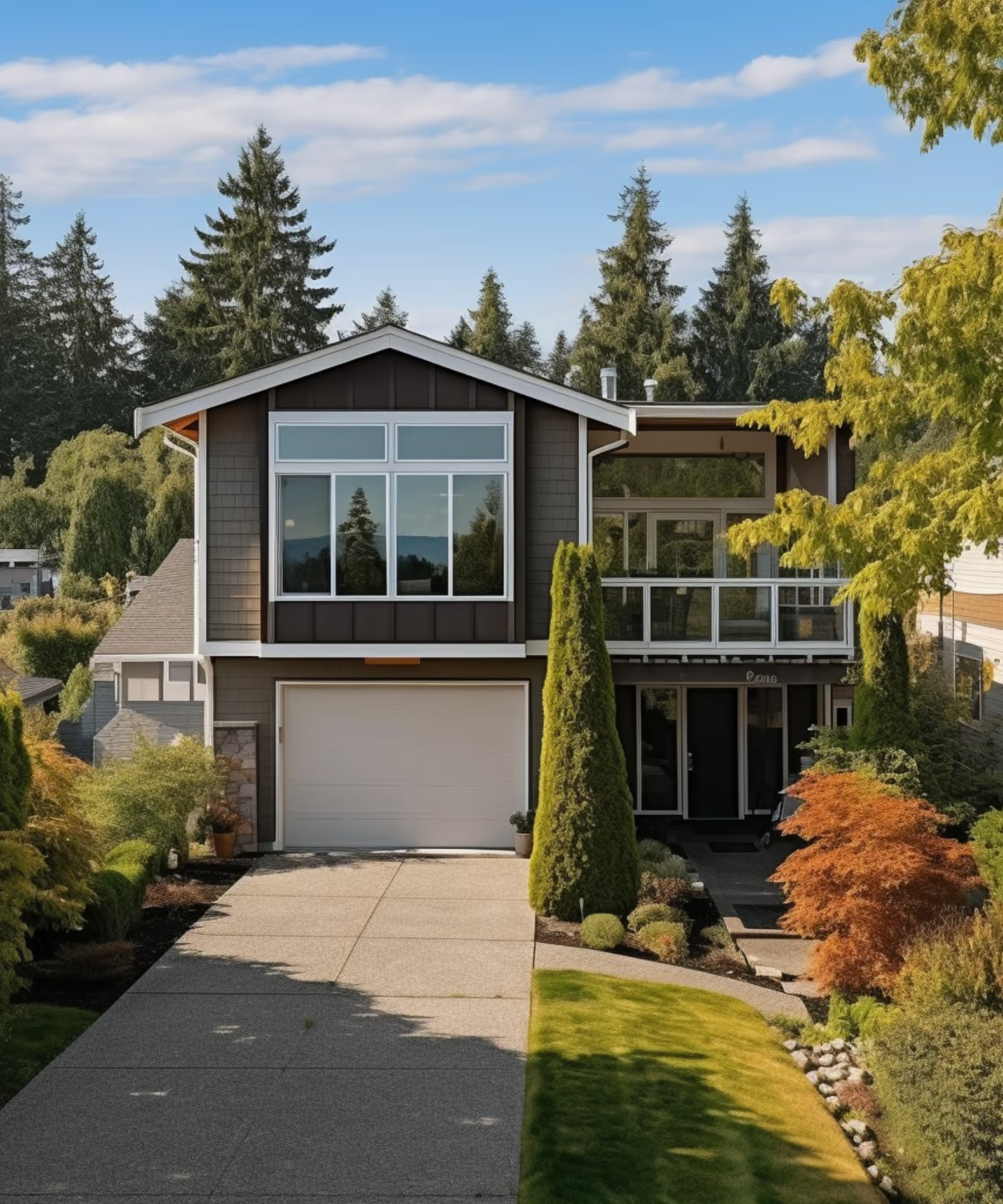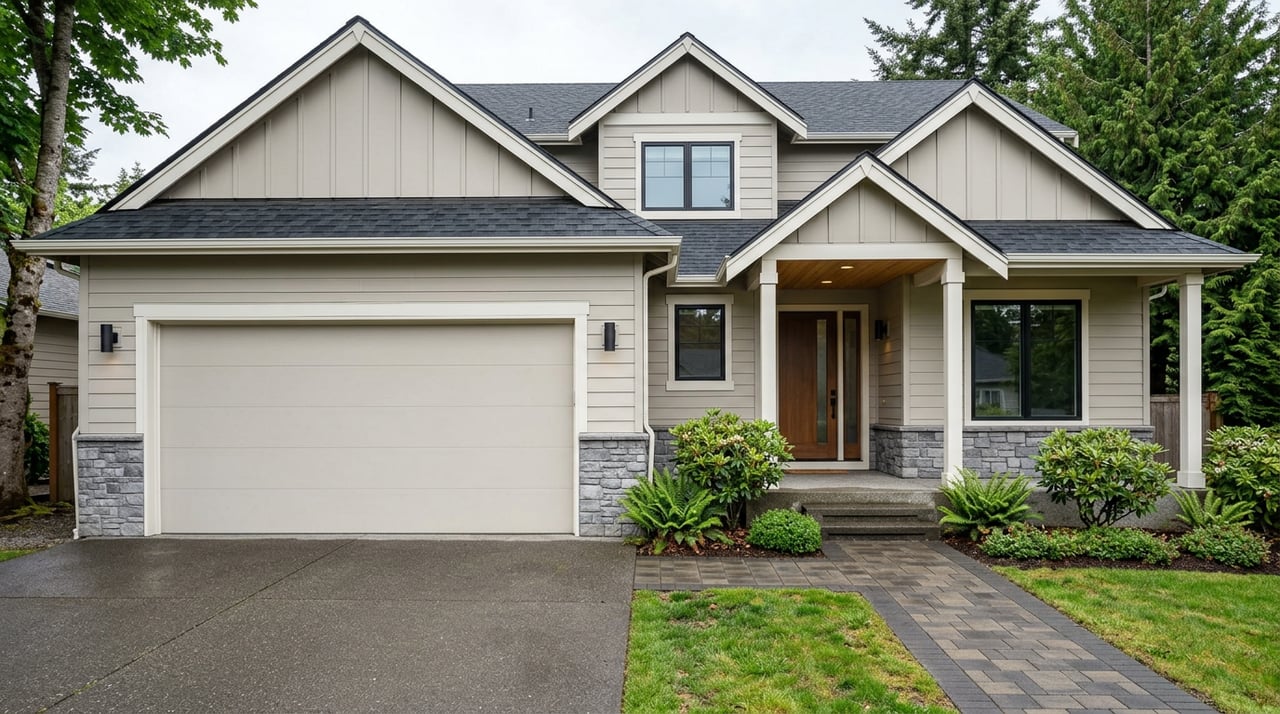
Torn between a brand-new home and a charming resale in Port Orchard? You’re not alone. Choosing the right path comes down to your timeline, budget, commute, and how you want to live day to day. In this guide, you’ll see clear, local differences in price, HOA fees, lot sizes, energy performance, inspections, and financing so you can move forward with confidence. Let’s dive in.
Port Orchard market at a glance
Port Orchard and greater Kitsap have been running somewhat competitive, with most homes taking multiple weeks to sell. Recent portals have reported Port Orchard’s median sale prices in the high 500s to low 600s. Exact numbers shift with timing and data source, but this gives you a realistic baseline for planning.
New build vs resale: real differences
Price and value
New construction in Port Orchard’s master-planned areas offers modern layouts and curated finish packages. In communities around McCormick, for example, builders advertise plans that span from the mid 500s to 900k-plus depending on size and features. You’ll often pay a premium per finished square foot for brand‑new systems, included upgrades, and builder warranties.
Resale homes cover a wide range: classic ramblers, mid‑century homes, and updated properties across established neighborhoods. If you value larger lots, mature landscaping, and immediate move‑in, resale can offer strong value and flexibility for future renovations.
HOA, amenities, and rules
Newer subdivisions commonly include HOAs. In Port Orchard, representative listings show monthly HOA fees often in the roughly 66 to 109 dollar range, though some communities bill quarterly. Fees typically support shared spaces and community standards. Always confirm the billing period and what’s covered.
Many established neighborhoods have no HOA or minimal annual dues. If you prefer fewer exterior restrictions or want full control over your yard, resale areas without HOAs may be a better fit.
Lot size and outdoor living
Newer subdivisions commonly feature compact lots to support sidewalks, open spaces, and shared amenities. Around Port Orchard, recent phases often show lot sizes near 0.11 to 0.18 acres. That can mean lower yard maintenance and a neighborhood feel.
Established areas and semi‑rural pockets around town tend to offer more variety, including many lots above 0.2 to 0.5 acres or more. If privacy, trees, space for a garden, or parking room are priorities, resale may check those boxes more easily.
Energy efficiency and comfort
Homes permitted and built under the 2021 Washington State Energy Code are held to higher efficiency standards for insulation, equipment, and the building envelope. The statewide effective date was March 15, 2024, which means many new homes now deliver stronger energy performance out of the box. You can review the state’s adoption notice for the code update in the public record at the Washington State Legislature site. For broader context on Washington’s energy-efficiency policies, see the American Council for an Energy-Efficient Economy’s Washington profile.
- Washington code adoption overview: Washington State Energy Code update
- Statewide efficiency profile: ACEEE: Washington
Resale homes vary widely. Many perform well, especially if updated, but older homes may need improvements to windows, insulation, or mechanical systems sooner. A thorough inspection helps you plan and budget.
Maintenance and warranties
A major perk of new construction is fewer near‑term maintenance surprises plus a builder warranty. Many builders use a “1‑2‑10” structure: one year on workmanship, two years on systems, and ten years on structural components. Terms vary by builder, so review coverage and claims processes carefully. For a general overview of common builder warranty structures, see this consumer-friendly summary from 2‑10 Home Buyers Warranty.
- Builder warranty primer: 2‑10 warranty overview
Resale homes often balance a lower price per lot with the possibility of sooner repairs. Your inspection and negotiation strategy matter here.
Commute and daily life
Driving to Tacoma–Lakewood
If you commute to Tacoma or Lakewood, your main route from Port Orchard is SR‑16 over the Tacoma Narrows Bridge. Eastbound bridge crossings are tolled, with rates that vary by payment method. That toll is a recurring out‑of‑pocket cost, and drive times depend heavily on your schedule. You can see corridor and congestion context in the Washington State DOT’s SR‑16/Tacoma Narrows study.
- Corridor context: WSDOT SR‑16 Tacoma Narrows corridor
Ferries and transit options
Kitsap Transit and foot‑ferry connections via Bremerton and Southworth serve some trips toward Seattle and West Seattle. For Tacoma commuters, they are less direct but can be part of a balanced lifestyle if you split days or work hybrid.
Timeline, financing, and appraisal
Move‑in timing
Resale purchases typically close in about 30 to 60 days once your inspection, appraisal, and loan underwriting wrap. If you need to be in quickly, resale or a move‑in‑ready new‑build spec home are your best bets.
If you build to order, plan on several months from contract to completion. Builders in McCormick and similar communities frequently advertise phases with both spec and build-to-order options. Check current availability and timelines on active community pages like Century Communities at McCormick.
- Move‑in options: Century Communities at McCormick
How financing works
Resale homes usually fit standard conventional, FHA, or VA financing.
New construction gives you two main paths:
- Construction-to-permanent, sometimes called one‑time‑close, which wraps your construction phase and final mortgage into one loan. The FHA offers a One‑Time Close option through participating lenders. VA programs can support one‑time‑close construction loans too, though fewer lenders offer them and underwriting can be more complex. Start lender conversations early if this route interests you.
Helpful program overviews:
Appraisals on new builds
Appraisals for new homes rely on plans, specifications, and recent comparable sales. In active new‑home areas around Port Orchard, this is usually straightforward. In areas with fewer recent comps, values can be conservative. Share your builder’s spec sheet and upgrade list with your lender early to help the process.
Inspections and protections
New-construction inspections worth every penny
Even new homes benefit from independent inspections. A common best practice is three phases: a pre‑drywall inspection to check framing and rough‑ins, a final pre‑closing inspection, and an 11‑month warranty inspection before builder coverage expires. This protects your investment and documents items for warranty.
- Recommended approach: New‑construction inspection stages
Resale inspection playbook
For resale, plan a full home inspection and consider specialty scopes like sewer, roof, chimney, or HVAC as needed. This helps you budget for near‑term updates and negotiate repairs or credits with confidence.
Local examples to picture your options
McCormick Trails and surrounding divisions: A master‑planned setting near golf and trail systems with a range of plans and amenities. You’ll see HOA‑supported common areas, move‑in‑ready opportunities, and build-to-order phases. Start with the community’s current availability from Century Communities at McCormick.
Magnolia Ridge by Lennar: Lennar’s Port Orchard community has showcased model homes and move‑in opportunities. Lennar also highlights what is included in each home, which helps with value comparisons.
Links for community context:
Decision checklist: what fits you best?
Timeline
- Need to move quickly, or can you wait 3 to 12 months for a build? If timing is tight, focus on resale or move‑in‑ready specs.
Budget for upgrades
- Prefer included builder finishes or want to renovate a resale on your schedule? New may bundle popular features; resale can let you customize over time.
Lot and outdoor needs
- Want a large yard, trees, and privacy, or a low‑maintenance newer lot? Compare listing lot sizes and parcel data with your agent.
HOA tolerance
- Comfortable with HOA rules and fees for amenities, or prefer no‑HOA ownership? Decide how much structure you want.
Financing fit
- Could FHA or VA one‑time‑close construction financing help you, or is a standard loan better? Talk to a construction‑savvy lender early.
Inspections and protections
- Budgeting for phased inspections on new builds or a full inspection set on resale protects you from surprises and supports warranty or repair talks.
Bottom line
If you value lower near‑term maintenance, modern energy performance, and a curated, move‑in‑ready feel, new construction in Port Orchard’s master‑planned areas can be a great match. Expect a premium for inclusions, possible HOA fees, and a longer timeline if you build to order.
If you want a larger lot, mature landscaping, flexibility to renovate, or immediate occupancy, resale may deliver the best overall value. Your inspection strategy and budgeting for updates will be key.
You do not have to figure this out alone. If you want a clear side‑by‑side plan based on your timing, commute, and budget, reach out. As a native Kitsap agent focused on thoughtful, high‑touch service, I’ll help you compare specific homes, HOA rules, lot sizes, and financing paths so you can move forward with confidence. Start the conversation with Ashley Grimes.
FAQs
What’s the typical HOA fee for new Port Orchard homes?
- Many newer subdivisions report HOA fees roughly in the 66 to 109 dollar per month range, but always verify the billing period and what the fee covers.
How long does a new build take in Port Orchard?
- Move‑in‑ready spec homes can close on a normal timeline, while build‑to‑order plans often take several months depending on permits, materials, and builder schedules.
Do I need an inspection on a new construction home?
- Yes; independent inspections at pre‑drywall, pre‑closing, and the 11‑month mark help catch issues early and document items for warranty coverage.
How do Tacoma Narrows Bridge tolls affect my commute budget?
- Eastbound crossings are tolled, so daily commuters should plan for a recurring cost that varies by payment method; check WSDOT’s SR‑16 corridor resources for context.
Are VA or FHA construction loans available for new builds?
- FHA offers a One‑Time Close option and VA permits construction‑to‑permanent loans through participating lenders; start with lenders experienced in these programs.
What lot sizes can I expect in new vs resale homes?
- Newer subdivisions often range near 0.11 to 0.18 acres, while many established and semi‑rural resale areas offer larger lots, commonly 0.2 to 0.5 acres or more.