Thinking about selling 1 to 10 acres in Port Orchard? Small acreage sells differently than a neighborhood lot, and the right plan can add real value. You want clear steps, strong presentation, and a local guide who knows Kitsap rules and buyer expectations. In this guide, I walk you through my marketing plan for small-acreage properties in Port Orchard and greater Kitsap County, from pre-listing prep to targeted outreach and smooth closing. Let’s dive in.
What “small acreage” means here
In Kitsap County, “small acreage” typically means about 1 to 10 acres, often 1 to 5 in the suburban-rural pockets around Port Orchard. Sellers are usually moving for lifestyle changes, downsizing, estate transitions, or capturing appreciation. Some consider subdividing or selling for development if zoning allows.
Acreage value is not just about how many acres you have. Buyers weigh usable land, access, utilities, topography, and allowed uses along with any home or outbuildings on site. My plan focuses on the qualities that matter most to today’s buyers and appraisers.
Who your buyers are in Port Orchard
You will see interest from a mix of lifestyles:
- Hobby farmers and equestrian buyers who want room for animals and gardens.
- Privacy seekers who still need access to Tacoma, Lakewood, or Seattle ferries.
- Military families tied to Naval Base Kitsap who want acreage within a reasonable commute.
- Buyers priced out of King County who want a rural feel with town conveniences.
- Retirees and home-based business owners who value space and flexibility.
Port Orchard’s rolling forested terrain, proximity to Puget Sound, and access to ferries and the Tacoma Narrows Bridge create unique appeal. The flip side is important too. Wetlands, steep slopes, private roads, and septic or well details can shape price, marketing, and timelines. My plan addresses both the highlights and the constraints so buyers can make confident decisions.
My step-by-step marketing plan
1) Pre-listing prep that removes friction
We start by assembling a clear, buyer-ready packet. Strong documentation builds trust and speeds up negotiations.
- Zoning and permits. Pull the property’s zoning, permitted uses, and permit history through the Kitsap County Permit Center. This helps buyers understand allowed uses and any recent work.
- Septic and well. Order a septic inspection or compliance report if appropriate, and gather septic permit history. If you have a private well, include the well log and any pump test data. Buyers and their inspectors will look for records from the Washington State Department of Health.
- Critical areas and flood status. Identify any mapped wetlands, steep slopes, or shoreline buffers. Check flood zones at the FEMA Map Service Center and shoreline or floodplain rules with the Washington State Department of Ecology.
- Timber and forest practices. If your land is wooded or has timber value, document any forest practice history and confirm current rules with the Washington State Department of Natural Resources.
- Easements and road access. Collect recorded easements, CCRs, and any road maintenance agreements. Clarify if access is via county road or private road.
- Property tax and parcel data. Pull the latest tax bill and assessor record from the Kitsap County Assessor. Note any special assessments.
- Soil info and potential building sites. If you have a soils report, include it. If not, we can reference the USDA NRCS Web Soil Survey for general context.
I review all documents and suggest any missing items, like a basic boundary confirmation or wayfinding stakes. The goal is a complete packet that answers buyer questions up front.
2) Property prep that highlights usable land
We want buyers to understand how the acreage lives. Simple improvements help them see its best features.
- Ensure clear, safe access and parking for showings. Regrade drive areas if needed.
- Mark boundaries or corners where known and safe. Use temporary flags to guide show routes.
- Maintain trails and open visual corridors to building areas, pastures, or gardens.
- Remove debris and manage brush to improve first impressions.
- If a home is present, we stage key spaces and handle small repairs for a polished listing experience.
3) Pricing strategy built for acreage
Price per acre alone is misleading. I analyze local MLS comps and adjust for the factors that truly drive value.
- Access. County-maintained roads often price differently than private gravel with a road agreement.
- Utilities. On-grid water or sewer versus private well and septic can shift demand and financing.
- Topography and usable acreage. Flat build areas and easy access to potential sites increase value.
- Restrictions and overlays. Wetlands, critical areas, and easements can limit use and future plans.
- Improvements. Homes, barns, and outbuildings are valued for quality, utility, and condition.
We frame price to the most likely buyer use, such as equestrian, hobby farm, or privacy retreat. I also advise on earnest money expectations and contingencies that match today’s buyer pool.
4) Visual storytelling that sells land
Acreage is hard to grasp with standard photos alone. We lean on clear visuals and maps to tell the full story.
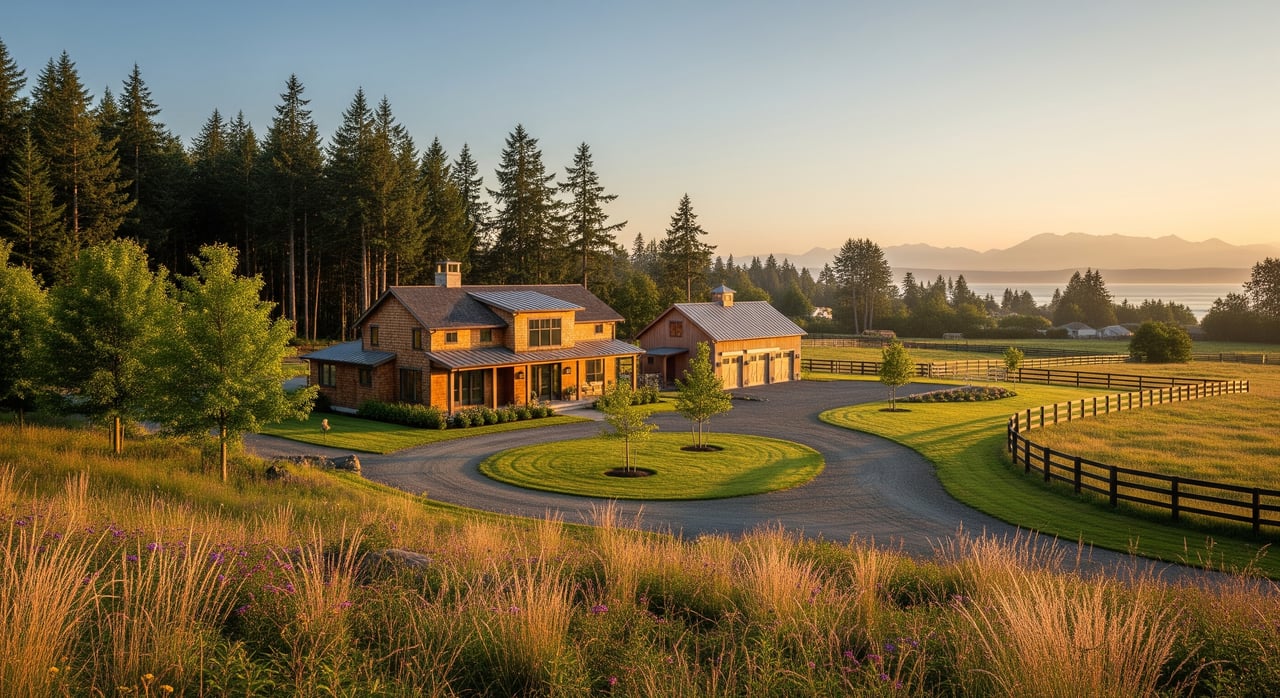
- Professional photography that shows access points, building sites, outbuildings, and signature features like streams or pastures.
- Aerial and drone video to explain parcel shape, topography, and neighborhood context.
- Annotated parcel and topo maps that highlight potential home sites, trails, and critical-area zones.
- A short narrated video walk-through that pairs lifestyle benefits with honest notes on constraints.
- A downloadable property packet with maps, permit history, septic and well info, and a concise buyer guide.
As a photographer, I curate every shot for clarity and impact. The goal is to help buyers picture how they would use the land and feel confident scheduling a showing.
5) Smart distribution and targeted outreach
We combine broad exposure with precise targeting to reach qualified acreage buyers.
- MLS listing with complete land fields. Full details on access, utilities, septic or well status, and zoning help buyers screen quickly.
- Broker network engagement. I share to local land and rural specialists and invite them to broker tours.
- Land-focused portals and major consumer sites through brokerage syndication for reach.
- Targeted social advertising. We focus on hobby farming, equestrian, outdoor recreation, and commuting audiences in Tacoma, Lakewood, and Seattle, along with military-focused community groups.
- On-site signage. A large, visible sign with directions and a QR code that links to the property packet.
- Event-driven exposure. Agent opens and scheduled showing windows make access easier and highlight trails or build sites.
6) Showing logistics and safety
Acreage showings deserve structure so buyers see the best of your land and stay safe.
- Clear instructions about gates, parking, pets, and which routes to walk.
- Marked paths or flagged boundaries to protect sensitive areas.
- Guided first showings when needed so buyers understand use options and constraints.
7) Due diligence upfront to protect your sale
Washington requires a Seller’s Property Disclosure Statement. I help you gather and present the right information early.
- Septic and well. Provide inspection results, well log, and pump test if available. Buyers often confirm records through the Department of Health.
- Critical areas and flood. Share any known wetland indicators and link buyers to flood status via the FEMA Map Service Center. For shoreline or floodplain rules, reference the Department of Ecology.
- Easements and road agreements. Provide recorded copies and clarify costs or responsibilities.
- Timber and forest practices. If timber rights or prior harvests apply, disclose and reference rules from the Department of Natural Resources.
- Appraisal support. I prepare a parcel use narrative and relevant comps to help the appraiser understand value.
8) Financing and appraisal guidance
Acreage buyers often use cash, conventional loans when a home is present, construction loans, or specialty land loans. Rural programs like those from USDA Rural Development may apply depending on property and buyer eligibility. I set expectations about timelines and appraisal needs so you are not surprised by lender requirements.
A simple timeline you can expect
- 4 to 6 weeks before listing. Assemble documents, order septic or well inspections, confirm access, and finalize maps and packet contents.
- 2 to 3 weeks before listing. Schedule photography and drone media. Draft MLS remarks and captions, upload packet materials, and prep signage.
- Listing week. Go live on the MLS, launch the property microsite, syndicate, email local brokers, and start targeted ads. Install on-site signage.
- Weeks 1 to 4. Host a broker tour and guided showings. Monitor feedback and refine copy or pricing if needed.
- Ongoing. Keep access clear, refresh seasonal photos as needed, and answer buyer agent questions quickly.
Your experience working with me
You can expect boutique, high-touch service anchored in Kitsap expertise and thoughtful presentation. I handle the details, keep you informed, and tell the real story of your land with honesty and care. You will understand each step, from prep to closing, so you can make confident decisions along the way.
Ready to list your acreage?
If you are considering selling a small acreage in Port Orchard or anywhere in Kitsap County, I would love to help you prepare and position it for the right buyer. Let’s start with a quick call to talk through timing, documents, and presentation. Connect with Ashley Grimes to get started.
FAQs
What counts as usable acreage versus total acreage?
- Usable acreage refers to land that can be practically accessed and built upon, considering topography, access, utilities, and any critical areas such as wetlands or steep slopes that might limit use.
How do zoning and critical areas affect building or subdividing in Kitsap County?
- Zoning defines minimum lot sizes and allowed uses while critical area overlays can limit where you build, so check parcel-specific details through the Kitsap County Permit Center and use county mapping to understand any constraints.
What inspections should I order before listing my Port Orchard acreage?
- At minimum, gather septic inspection or compliance records, well logs and any pump tests if applicable, and consider a basic survey or boundary confirmation where corners are unclear.
How does road access impact price and financing?
- County-maintained access is often easier for buyers and lenders, while private roads and road maintenance agreements add questions about cost and responsibility that can influence price and loan approval.
What financing options do acreage buyers use in Kitsap County?
- Buyers commonly use cash, conventional loans when a home exists, construction or land loans for building plans, and rural programs like those from USDA Rural Development when eligible.
How should I price my acreage in Port Orchard?
- Use comparable sales adjusted for access, utilities, usable land, restrictions, and improvements, and frame price around the most likely buyer use rather than raw price per acre.
What marketing materials help rural buyers decide quickly?
- Drone video, annotated parcel and topo maps, a complete property packet with permits and septic or well info, and clear photos of access points and potential build sites help buyers visualize and move forward.
Which documents should I have ready to disclose in Washington?
- Prepare the Seller’s Property Disclosure, septic and well records, any easements or road agreements, timber rights or harvest history if relevant, and recent tax and assessor records from the Kitsap County Assessor.