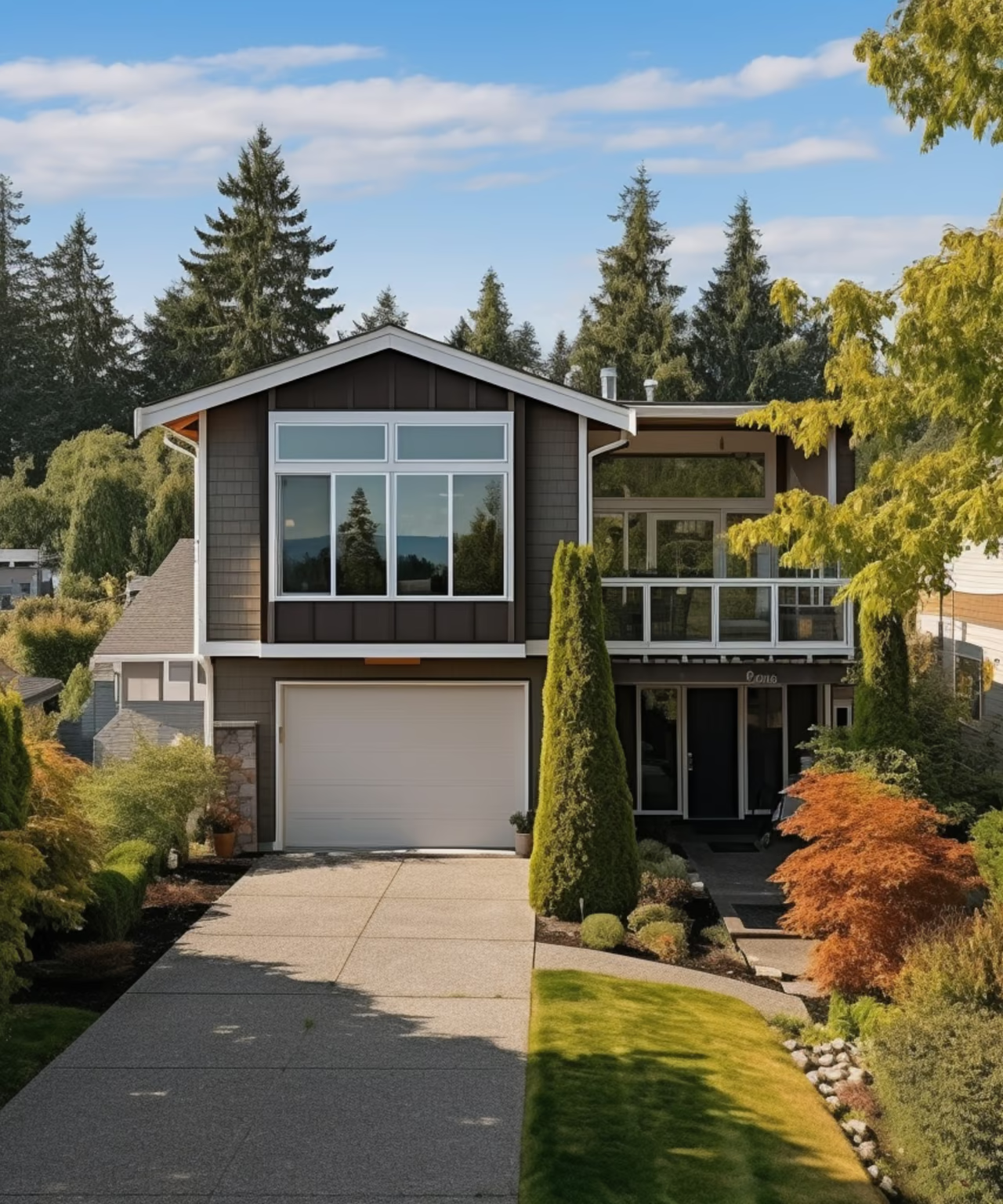
Thinking about opening a view, adding a deck, or sprucing up your yard before selling on Bainbridge Island? The island’s trees are a big part of what makes this place special, but they also come with clear rules and expectations. A little planning goes a long way. In this guide, you’ll learn how permits work, what counts as a protected tree, and the safest ways to build or prune near roots without risking fines or harming your canopy. Let’s dive in.
Know the rules on Bainbridge Island
Bainbridge Island regulates tree removal, pruning, and vegetation work through the City’s Planning and Community Development department and the Bainbridge Island Municipal Code. Projects near shorelines or in critical areas like steep slopes, streams, or wetlands are subject to extra review. Homeowners’ associations can also have stricter rules, so check covenants if you have them.
Before you schedule any work, confirm:
- If your plan involves a mapped critical area or shoreline buffer.
- Whether a tree is designated as a landmark or heritage tree.
- If construction or grading will occur within a likely root zone or dripline.
- Whether private easements or HOA rules affect your plan.
If you are unsure, call the City’s permitting counter. Most projects benefit from quick staff guidance before you start.
What triggers a permit
Every project is different, but permits are commonly required for:
- Removing trees above certain size thresholds or removing several trees at once.
- Any removal or pruning in critical areas or their buffers.
- Work that affects landmark or specifically protected trees.
- Construction, grading, or driveway work inside a tree’s root protection zone.
- Vegetation work within shoreline jurisdiction.
Expect to submit a site plan, a tree protection plan, and sometimes an arborist report. Many approvals include mitigation planting, temporary fencing around protected root zones, and pruning to professional standards. Review times can range from a few weeks to several weeks or months if critical areas are involved, so plan early.
Landmark and protected trees
Some trees have special protection because of size, species, age, or cultural value. If a tree is designated as landmark or heritage, removal or substantial pruning usually needs a specific permit and mitigation. Always verify status before you plan work. Noncompliance can lead to stop work orders, fines, and required replanting.
Build near trees the right way
A healthy tree depends on its roots and the soil around them. Many structural and feeder roots live in the top 12 to 24 inches of soil and often extend beyond the dripline. Protecting those roots protects your investment.
Key best practices:
- Establish a Root Protection Zone (RPZ). A common professional rule of thumb is 1 foot of radius for every inch of trunk diameter, unless the City requires a different method. Fence the RPZ before any demolition or grading.
- Prevent compaction. Keep vehicles, stockpiles, and equipment out of RPZs. If access is unavoidable, use temporary mats or a short-term road that spreads loads.
- Manage grade changes carefully. Avoid cutting or filling soil over roots without a plan. Even small changes can stress a tree.
- Use root-sensitive excavation. Hand digging or air excavation helps locate and preserve major roots. If a root must be cut, it should be a clean cut and reviewed by a qualified arborist.
- Route utilities thoughtfully. If a trench must cross roots, consider boring beneath major roots instead of open trenching.
- Plan aftercare. Mulch 2 to 4 inches deep, keep mulch off the trunk flare, provide irrigation as needed, and monitor tree health for 1 to 3 growing seasons.
Viewshed trimming and neighbor boundaries
You can usually prune vegetation on your property, as long as you follow local rules and maintain tree health. For view improvement, stick to selective pruning and crown reduction techniques, and avoid topping. Poor pruning can be considered damage and may trigger enforcement or disputes.
Never cut a neighbor’s tree without written permission. If you believe a tree is hazardous, contact the owner and consult an arborist. Some emergency removals are allowed when there is an immediate risk, but they often require documentation and prompt reporting to the City.
Plan a pre-sale cleanup the smart way
Strategic yard work can help buyers see the home, not just the branches. Keep it compliant and documented.
- Start early. Do not attempt last-minute removals that could require permits or mitigation.
- Document before and after. Photos, receipts, and any arborist reports help buyers and appraisers understand the work.
- Keep permits and approvals handy. Permit records and final sign-offs reduce friction during inspection and escrow.
- Stick to best practices. Healthy pruning and thoughtful planting read as care, not risk.
When to hire professionals
The right pros make your project safer and smoother.
- ISA-certified arborist. Essential for work within or near a dripline, projects in critical areas, or any landmark tree concerns. Ask for a written tree inventory, a pruning plan to professional standards, and a tree protection plan for permit submittal.
- Landscape architect or planner. Helpful for replacement planting plans and complex sites that involve buffers, slopes, or shoreline.
- Licensed contractor or tree service. For removal or large pruning, request proof of insurance and experience working under municipal rules.
- Geotechnical or civil engineer. Consider for steep slopes, drainage, or retaining walls that intersect with tree preservation.
Step-by-step homeowner checklist
- Pre-project
- Call Planning & Community Development to confirm current thresholds and permit triggers.
- Identify critical areas, shoreline buffers, and any landmark designations.
- Verify property lines, easements, and HOA rules.
- Engage an ISA-certified arborist if you plan work near significant trees.
- Permit and planning
- Prepare a site plan showing tree locations with trunk diameters, proposed work areas, and staging zones.
- Assemble an arborist report, tree protection plan, and mitigation planting plan if required.
- Build review time and potential revisions into your schedule.
- On-site protection
- Install tree protection fencing before any demolition or grading.
- Keep equipment and stockpiles out of RPZs.
- Use root-safe excavation methods and have an arborist monitor critical phases.
- After completion
- Document final conditions and mitigation plantings.
- Schedule final inspections and secure written permit closure for your records.
Timelines, fees, and enforcement
Simple maintenance may move quickly, while projects in critical areas or near shorelines can take longer. Fees and timelines change, so check the current schedule with the City. If work proceeds without required approvals, common outcomes include stop-work orders, civil fines, and required restoration or replanting. A violation record can also complicate future permits, so it pays to get it right the first time.
Bring it all together
Designing with Bainbridge’s canopy means balancing views, safety, and long-term health. With a quick call to the City, a clear plan, and a qualified arborist, you can protect your trees, preserve value, and move your project forward without surprises. If you are prepping to sell, thoughtful pruning and clean documentation create confidence for buyers and a smoother closing.
If you want a local perspective on which projects add value before listing, how to present your outdoor spaces, and what buyers notice in Kitsap, reach out. Ashley Grimes offers warm, high-touch guidance on timing, staging, and presentation so your next move feels clear and comfortable. Explore Properties & Get Your Home Value.
FAQs
Do Bainbridge Island view trims always need a permit?
- Not always. Minor selective pruning on your own property may be allowed, but work that affects tree health, protected trees, or regulated buffers often needs approval. Confirm with the City before major trimming.
What is a landmark or heritage tree on Bainbridge?
- It is a tree designated for special protection due to size, species, age, or cultural value. Removal or substantial pruning usually requires a specific permit and mitigation.
How close can I build to a mature tree?
- It depends on the tree and local standards. Many professionals use a Root Protection Zone based on trunk diameter. If you must encroach, have an arborist prepare a protection plan and monitor work.
Can I remove a hazardous tree without prior approval?
- Emergency removals are often allowed when there is an immediate risk to life or property, but they typically require documentation and prompt reporting. Non-emergency hazard work usually needs a permit and professional assessment.
How long do permits take on Bainbridge Island?
- Timelines vary. Simple approvals can take a few weeks, while projects in critical areas or those requiring mitigation can take several weeks or months. Start early and plan for revisions.