What if the one thing holding your Port Orchard sale price back is something simple you can fix this weekend? Pricing here is not random. Buyers pay clear premiums for the right mix of micro‑location, water outlook, condition, usable land, and commute access. If you understand how those pieces work together, you can target the upgrades that actually move your number.
In this guide, you’ll learn how Port Orchard buyers value location and views, which updates pay off before you list, and how appraisers compare homes. You’ll also get a practical checklist to prep your home with confidence. Let’s dive in.
Port Orchard market snapshot
According to the latest city snapshot from Realtor.com, Port Orchard’s median sale price was about $615,000 in December 2025, with a median price per square foot near $299 and average days on market around 55 days. You can see the current local overview in the Port Orchard market page.
For county context, Zillow’s Kitsap County Home Value Index reported a December 2025 median around $534,667. You can view the county trend on the Kitsap County index. Port Orchard often tracks close to county medians but can sit a bit higher in pockets near downtown and the waterfront. Always anchor any number you quote to the source and date, since prices move month to month.
Location factors that move price
Micro‑location and walkability
Two homes only a few blocks apart can sell for very different prices because of block‑level factors. In Port Orchard, proximity to the Bay Street waterfront, the marina, and downtown amenities is a common premium. The city’s comprehensive plan identifies Bay Street and the waterfront as a cultural and commercial hub, which helps explain why homes near that core often attract stronger offers. You can see that city context in the Port Orchard comprehensive plan materials.
If your likely buyer is a family, school boundaries often sit on the checklist. Port Orchard is served by the South Kitsap School District, and buyers frequently research local school information through public sources. Keep school descriptions neutral and factual, and focus on proximity, options, and commute patterns.
Practical tip: describe your micro‑location in street‑level terms buyers recognize. Phrases like “five blocks to Bay Street,” “around the corner from the pier,” or “quiet cul‑de‑sac with quick SR 16 access” help buyers connect value to daily life.
Commute access, ferries, and SR 16
Access matters because it expands your buyer pool. Port Orchard residents connect to Kitsap ferry options in a few ways. The Southworth route provides fast ferry service that links commuters to Seattle through Kitsap Transit’s network. You can review the schedule on the Southworth Fast Ferry page. There are also local foot ferries across Sinclair Inlet to the Bremerton Transportation Center. On the road, Highway 16 ties Port Orchard and Gorst to the Tacoma Narrows Bridge and I‑5 toward Tacoma and the South Sound.
Research on transit and property values shows that proximity to effective commuter services often lifts prices by bringing in more buyers, although the exact impact varies by mode and convenience. You can read an overview of how transportation links shape real estate values in this peer‑reviewed study of transit capitalization. In plain terms, closeness to a reliable ferry or quick SR 16 access is an asset for many commuters, while immediate adjacency to high traffic or noise can be a drawback.
Water views and waterfront value
Buyers here consistently pay for water. Not all “views” are equal, though. Academic studies of Pacific Northwest coastal markets report view premiums that range from low single digits for partial or obstructed outlooks to much larger percentages for wide, unobstructed water views or direct waterfront. The quality and scope of the view, plus distance to the shoreline, do most of the work. You can explore a summary of those findings in this analysis of view premiums.
Classify your home’s water amenity precisely when pricing and marketing:
- Direct waterfront with usable frontage or a dock
- Full panoramic Sinclair Inlet or Puget Sound view
- Partial or seasonal water view from a room or deck
- No view, but neighborhood water access nearby
Appraisers and agents use different comparable sets for each, and waterfront sales are rarely compared directly to non‑waterfront homes.
Age, systems, and overall condition
Age alone does not set your price. Condition and updated systems do. Homes with a new roof, modern electrical, and healthy HVAC tend to face fewer inspection concessions and can sell closer to list. Homes with deferred maintenance or obvious system issues invite downward adjustments until the problem is fixed or priced in. For older homes built before 1978, federal lead‑paint disclosures are part of the process. For a plain‑English look at how appraisers think about these items, scan this overview of appraisal factors.
In practical terms, a midcentury home with fresh finishes and reliable systems can compete at or above neighborhood medians. The same home with dated wiring, a worn roof, and moisture issues will likely sit or take a discount.
Acreage, usability, and zoning realities
In Kitsap County, lot size matters most when it enables something buyers need. Think detached shops, ADU potential, extra parking, or meaningful privacy. Usable acreage typically outperforms raw acreage. If a lot is steep, wet, or limited by shoreline setbacks or critical‑area rules, appraisers reduce land premiums to reflect real‑world usability. Washington case law reinforces that development constraints shape value. You can review a related discussion in this Washington Court of Appeals decision.
If you believe your lot supports an ADU or future division, document the path with county resources and quotes from qualified pros. Concrete feasibility can translate into real value.
Renovations that return in Port Orchard
Not every project is worth doing before you sell. National studies provide helpful guide rails on what typically pays off. Remodeling’s 2024 Cost vs. Value report highlights a few consistent winners you can consider locally:
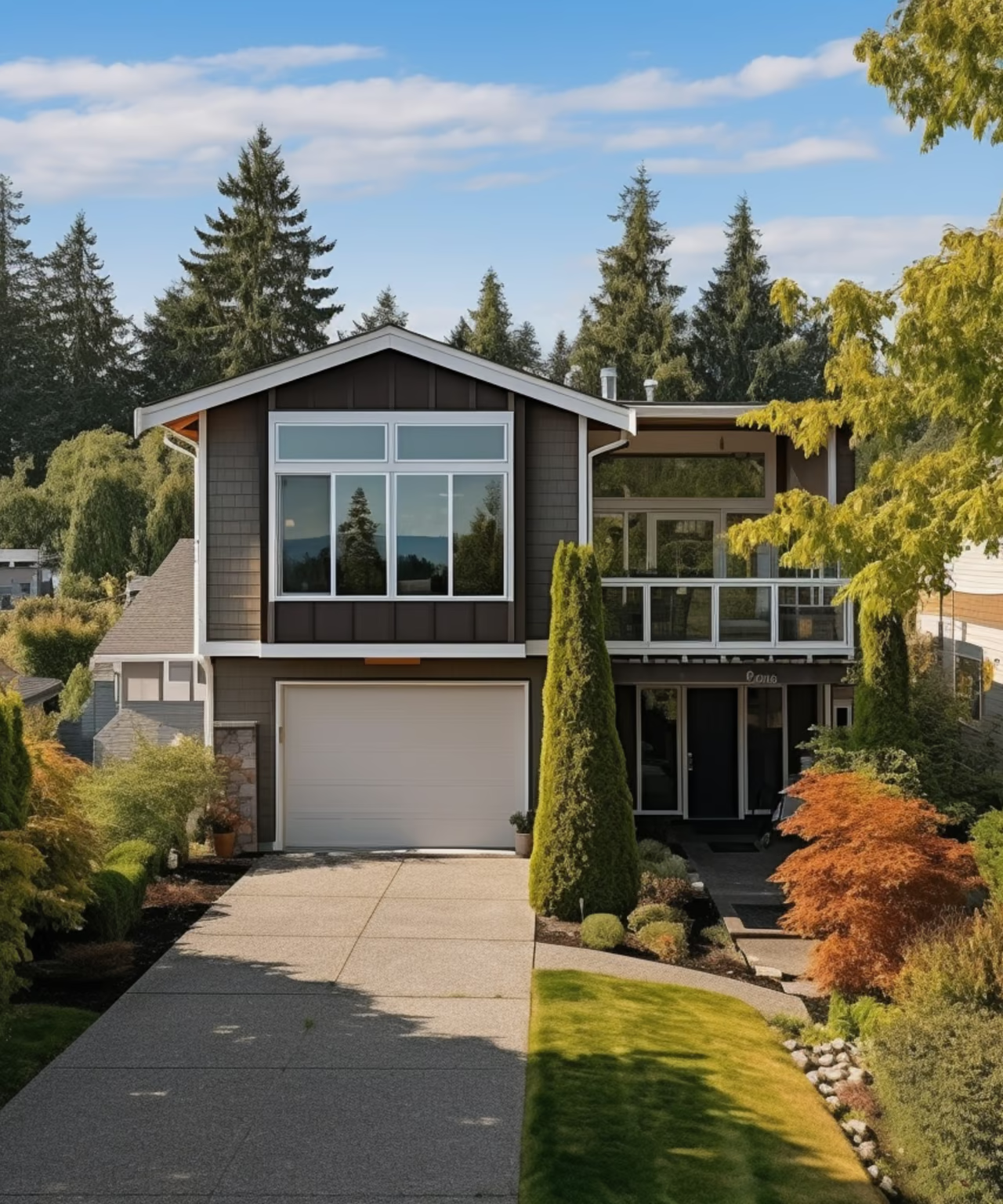
- Curb appeal refresh. New garage doors and a quality steel entry door rank among the highest cost‑recapture projects nationally. They are relatively low cost and immediately noticeable. See the current Cost vs. Value report.
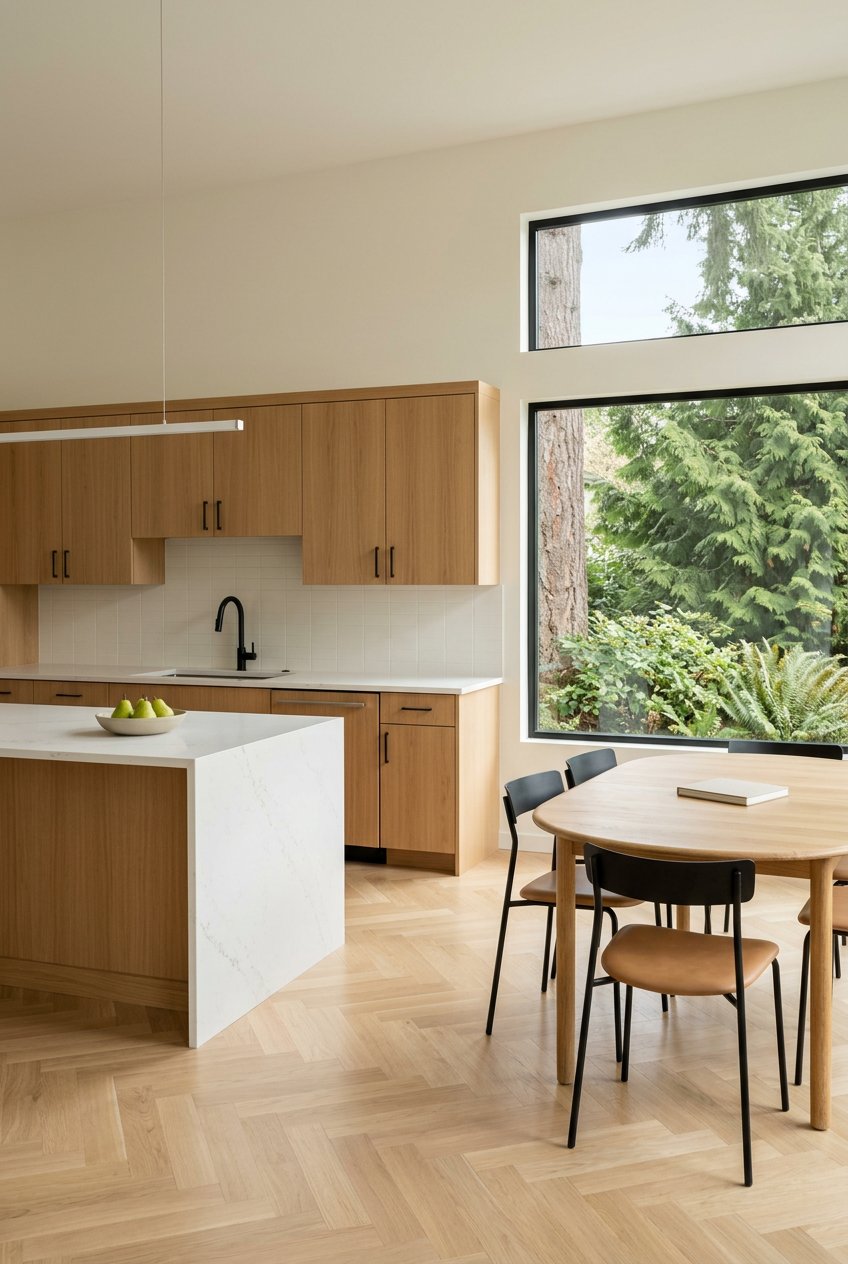
- Minor kitchen refresh. Painting cabinets, updating hardware, swapping tired counters, and modern lighting can deliver strong percentage recoup and higher buyer interest compared with a full upscale remodel. Match finishes to your price tier and neighborhood.
- Neutral paint, deep clean, and light staging. Fresh, neutral paint photographs well and calms rooms, while minor staging clarifies scale and use. This combination often shortens days on market by improving first impressions.
- Fix visible maintenance. A solid roof, clean gutters, dry crawlspaces, and a serviced HVAC reduce buyer risk. These items may not recoup dollar for dollar but they prevent inspection concessions that can dwarf cosmetic gains. The Cost vs. Value data offers context on how exterior and systems projects perform.
- Landscape tune‑up. Trim, edge, mulch, and define pathways. If you have water access, make sure paths are safe and visible, and highlight the lifestyle clearly in photos.
When to pause: high‑end, personalized renovations often recover a lower share of cost at resale. Unless you plan to stay for years, skip custom splurges and invest in projects that broaden buyer appeal.
How appraisers and buyers compare homes
Appraisers and savvy buyers follow a simple process. If you align with it, your pricing will feel both compelling and defensible.
The basic comp workflow
- Find 3 to 6 recent sales in the same neighborhood or a closely similar micro‑market.
- Adjust for square footage, bed and bath count, lot size and usability, condition, systems, and amenities like views, waterfront, ADUs, or garages.
- Separate view and waterfront sub‑markets when needed. Waterfront rarely compares directly to non‑waterfront.
- Reconcile the adjusted range with current demand and time on market to set list price and strategy.
For a primer on how professionals weigh these factors, see this plain‑language appraisal overview.
Typical Port Orchard adjustments you may see
- Condition and systems. If a roof, electrical panel, or HVAC needs work, appraisers often use local replacement cost estimates to calibrate a deduction. Clear contractor quotes help quantify this.
- Views and waterfront. As the view research shows, partial views often carry modest premiums while wide, unobstructed outlooks and direct waterfront can reach double‑digit premiums in some local samples. Use like‑kind comps for accuracy.
- Lot and acreage. Usable, buildable land and feasible ADU or shop potential push value. Constrained or raw acreage trades at a lower per‑acre premium.
- Transit, ferries, and highway access. Proximity to Southworth or Bremerton connections and quick SR 16 access can be a plus, while immediate adjacency to noisy segments can be negative. For a look at SR 16 corridor considerations, review the WSDOT congestion study.
A quick pre‑listing checklist
Use this short list to target high‑impact wins in Port Orchard:
- Tighten curb appeal. Replace or service the garage door and entry door. Power wash, mulch, and edge.
- Refresh the kitchen. Paint cabinets in a neutral tone, update hardware and lighting, consider a budget‑friendly counter swap.
- Neutralize and declutter. Fresh paint, clean floors, and uncluttered surfaces photograph best.
- Finish obvious fixes. Roof, gutters, exterior caulk, minor plumbing, and electrical items.
- Document systems. Gather service records for HVAC and roof, plus any permits. Buyers and appraisers value proof.
- Clarify water amenities. If relevant, map dock rights, footage, and access paths. Clean and safe access is a selling point.
- Tell the commute story. Note realistic drive times to SR 16 and highlight ferry connections that fit a typical workday.
With listing prep, presentation matters. Thoughtful photography, clear lifestyle copy, and a room‑by‑room staging plan help you capitalize on every value driver above.
Ready to position your Port Orchard home?
If you want a pricing plan that reflects your exact micro‑location, view quality, systems, and commute profile, let’s build it together. I’ll help you target the right pre‑list updates, bring in curated staging and photography, and use Windermere’s reach to maximize exposure. Start with a quick consult or a pricing check, and we’ll map the path to your best sale with clarity and care. Connect with Ashley Grimes to get started.
FAQs
How do Port Orchard water views impact pricing?
- Studies of coastal markets report premiums that range from low single digits for partial or distant views to much larger percentages for unobstructed views or direct waterfront, depending on quality and scarcity. See an overview of findings in this view premium analysis.
Which pre‑list updates usually pay off in Kitsap County?
- Garage and entry doors, a minor kitchen refresh, neutral paint, light staging, and visible maintenance tend to offer strong impact and faster sales. Review national context in the 2024 Cost vs. Value report.
Does being near Highway 16 help or hurt value?
- Quick SR 16 access is a plus for many commuters, while immediate adjacency with noticeable traffic or noise can be a negative. Buyers and appraisers weigh both. See corridor context in WSDOT’s SR 16 study.
Do ferries really add value in Port Orchard?
- Reliable ferry connections expand the buyer pool by making Seattle or Tacoma commutes more practical, which can lift prices in areas with convenient access. Review the Southworth Fast Ferry for schedule context and consider last‑mile logistics.
How do appraisers choose comps for a waterfront home?
- They pull recent sales with the same class of water amenity, then adjust for size, condition, and systems. Waterfront is rarely compared directly to non‑waterfront, and view quality drives adjustments. A readable overview is in this appraisal factors guide.